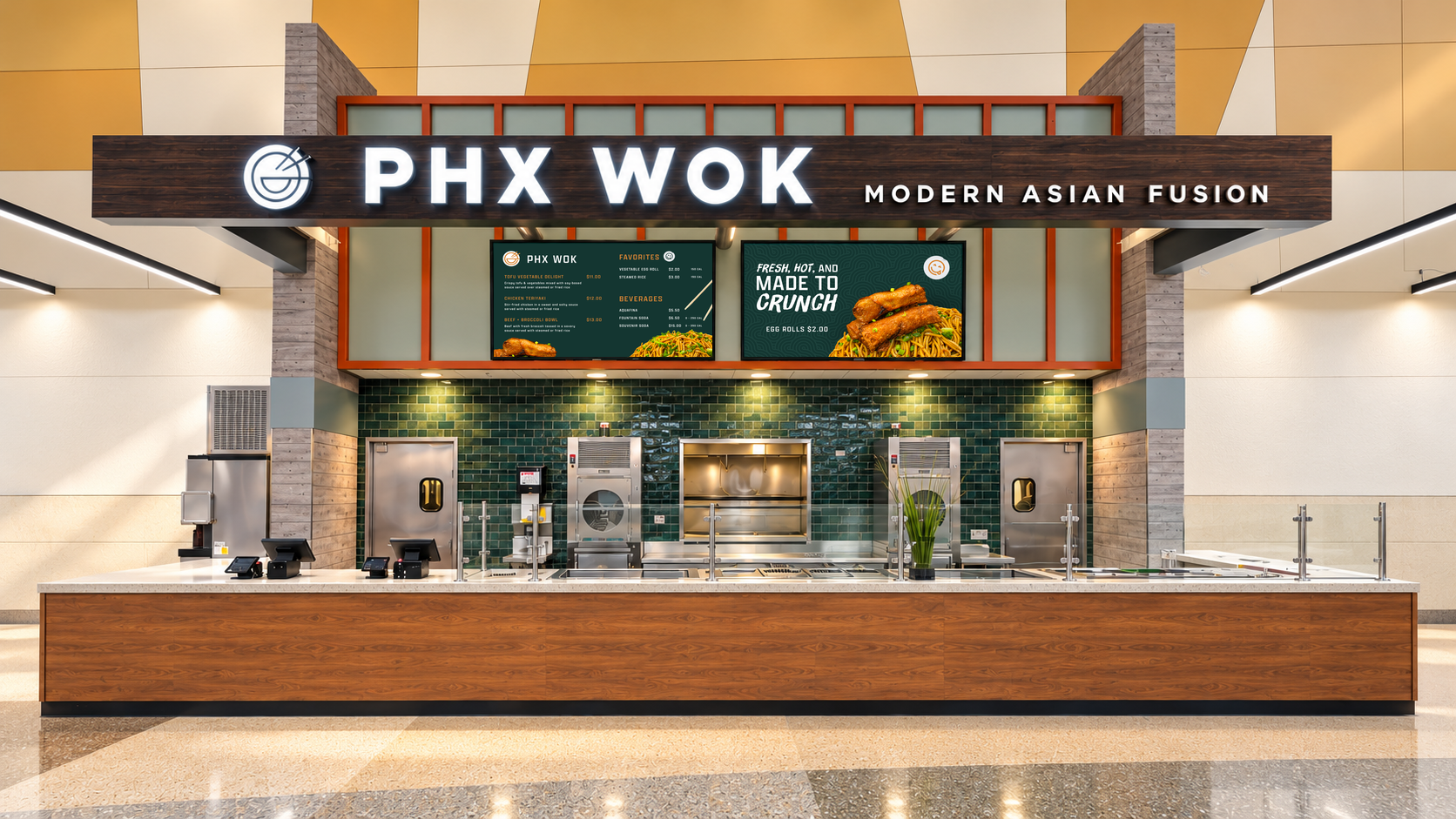
A digital menu board gives guests a simple experience: look up, find what they want, and make a decision.
Behind that screen, the process can be much more complicated.
While leading digital signage operations for Aventura Catering / Aramark, I worked with a previous platform whose back end was slow, unreliable, and inconsistent. I was trying to keep guest-facing content current across more than 55 displays at Phoenix Convention Center, Symphony Hall, and Orpheum Theatre.
The software added uncertainty to a process that needed consistency.
That experience changed how I think about marketing operations. The tools behind our content influence how reliably we can deliver it—and how much attention we have available for the creative work itself.
Software friction becomes a marketing problem
Marketers often evaluate a project through the finished output: the design, the message, and the audience experience.
Managing digital signage made me pay closer attention to everything required to get that output into place.
A slow back end introduces friction between a request and an update. An unreliable platform makes it harder to feel confident about the publishing process. Inconsistent behavior makes routine work harder to standardize.
Across a network of 55+ displays, those issues deserve attention. Keeping menus, promotions, and guest information current depends on having a dependable way to manage them.
The lesson for marketers: evaluate the publishing experience alongside the creative capabilities. A platform needs to support the people responsible for keeping content accurate and current.
Define the problem before choosing the replacement
Working with the previous software helped clarify what I needed from a signage platform.
I needed to consider how content would be organized, scheduled, deployed, and checked across different locations and screen formats.
Those operational questions belong in the software evaluation process:
- How easily can someone make a routine update?
- How clearly can they identify where content will appear?
- Does the system behave consistently?
- How will the team confirm that the intended content is showing?
- Can the process accommodate changing menus and event requirements?
These questions give a demonstration more substance. They connect the software’s features to the work a marketing team actually needs to complete.
A platform transition is also a workflow decision
I led and managed the entire transition of our 55+ display network to OptiSigns. I continue to oversee content operations through the platform.
That work connected the technology decision with the creative process. Content still needed to be prepared for different orientations and locations. Schedules still needed attention. Final displays still needed verification.
Moving platforms reinforced the importance of understanding the entire path from request to screen.
For marketers considering a new tool, I would start by mapping that path. Identify the steps, the people involved, and the places where uncertainty enters the process. Then evaluate how a potential platform supports each stage.
That gives the team a practical basis for comparison.
The screen is where the work gets tested
A design file shows me the layout. The working display shows me how that layout performs in its intended setting.
Can someone read the menu from where they’re standing? Is the most important information easy to find? Does the content fit the screen’s orientation? Is the correct version showing?
Those questions connect design quality with operational quality.
My responsibilities span photography, design, scheduling, deployment, and maintenance. Following the work through those stages has made final verification an important part of how I approach a project.
The lesson for marketers: define completion at the point where the audience encounters the work. Build a final check into the process, whether the deliverable is a digital display, an email, or a web page.
Make room for the work that needs your judgment
Marketing requires decisions about messaging, hierarchy, imagery, and audience needs. Unreliable tools compete for the attention those decisions deserve.
My experience with digital signage has made me more interested in the systems supporting creative production: how information is collected, how assets are organized, how updates are published, and how the final result is checked.
It’s a perspective I also bring to workflow automation and web tools. I look for ways to make everyday tasks more dependable so teams can give their attention to the work that benefits from their expertise.
Managing 55+ displays has taught me that a strong marketing operation carries an idea through every stage of delivery.
The creative matters. So does the system responsible for getting it in front of someone.
Before choosing your next marketing platform, try one exercise: walk through a real update from the initial request to the final audience experience.
The most useful questions often appear between those two points.